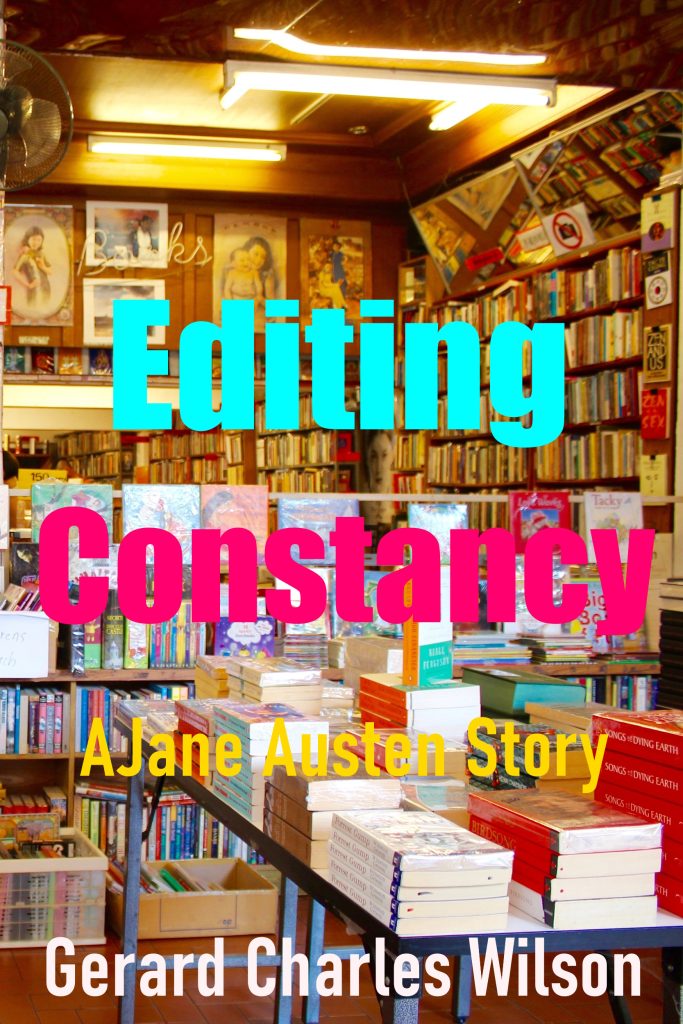
I made the introduction to my YouTube channel below in June 2024. I will update it in the following months. The update will include an adjustment to my list of books. In the meantime, I have published the fourth book in my Sixties Series,The Counterculture Goddess, with the fifth, Love in the Counterculture, due in June. I have also republished Bitter in Love under its original title, Editing Constancy: A Jane Austen Story.
The video below shows how pervasive female influence and control are across the arts world – through publishing, television, media, advertising, etc. If you’re a male (like me) writing stories and characters that men are traditionally interested in, you can forget about being published by a traditional publisher – no matter how excellent your writing is. If you’re a male who finds the latest offerings in bookshops, television and cinema feminist and boring, you’ll find the the explanation here. This video is worth rewatching for its explanatory value.
It’s been a busy year in writing scams (but then what year isn’t?). From the new AI marketing scams, to nasty contract clauses, to publishers behaving badly, to the biggest copyright infringement restitution in history, Writer Beware has been on the beat. If you missed any of our posts, here’s your chance to catch up.
On a personal note, it’s always instructive for me to do these overviews, not just because they help me take stock of how well Writer Beware is fulfilling its mission, but also because looking at the trends and changes of the year just past can give me a sense of what I’ll likely be focusing on in the year ahead. I was a little surprised, for example, to see how much space I devoted to generative AI.
Also somewhat surprising: scams are what most people think of when they think of Writer Beware, but my posts about scams actually comprised less than half of what I published in 2025. Just a reminder that “beware” applies to much more than literary fraud.
A New “Beware”: AI-Driven Nigerian Marketing Scams
Ramping up more quickly than any scam I’ve ever seen, Nigerian marketing scams burst on the scene in the late spring and early summer of 2025, in the form of highly personalized emails from alleged marketing experts with often odd Gmail addresses and a suspicious lack of web presence. Authentic-seeming (AI-generated) plot details, bolstered by (also AI-generated) over-the-top praise, made it seem the purported marketer really had read the books and that the promotional services on offer had been carefully targeted. For payment, writers were referred to Nigerian third parties, described as “assistants” or “payment processors”, via job sites like Upwork or bank transfers to accounts at Wells Fargo and Lead Bank.